First Selected Poem

Megan Joseph
Megan Joseph is a contemporary poet whose poems often explore themes of self-reliance, individuality, and transcendentalist thought. Her writing reflects a deep connection to nature and her own personal identity.
“Me, Myself, and I”
Life is like the sun
It goes up and down and around
Good days
and bad days
I trust myself and know my place
Outside of society
as it is a danger to all
I must think for myself
and not conform as they do
The world’s opinion is not my own
And thus need not be acknowledged
Like Galileo and Newton
I am misunderstood
but I know who I am
Fortune is my friend
and is with me
but I am all I need
Analysis
“Me, Myself, and I” is a work of poetry that includes multiple transcendentalist values. The author speaks in the first person of view to express his self-reliance, individualism, and shares a little about nature. Joseph introduces us to his views on nature by stating “Life is like the sun / It goes up and down and around” (Joseph l.1-2). Both lines show how the author finds peace in nature and is connected to nature through comparing his journey in life to the sun. The author further states his point on self-reliance by saying “I trust myself and know my place … I must think for myself / and not conform as they do / The world’s opinion is not my own” (Joseph l.5, 8-10). This author of the poem shows their beliefs on society and how they are an individualist. Joseph is reliant on themselves and show a clear example of Self-Reliance when they say they think for themselves and do not care what others think. This is similar to Emerson’s ideology because he mentions this in his “Self-relience” writing “Trust Thyself: every heart vibrates to that iron string” (Emerson). Both these quotes text show self-reliance and Joseph shows it in modern pop culture. Another Quote that Joseph introduces to is “I am misunderstood / but I know who I am / Fortune is my friend / and is with me / but I am all I need” (Joseph l.13-17). Joseph further explains her deep belief in self-reliance and individualism when shes talks about taking care of herself and not worrying about other people’s affairs.
Second Selected Poem
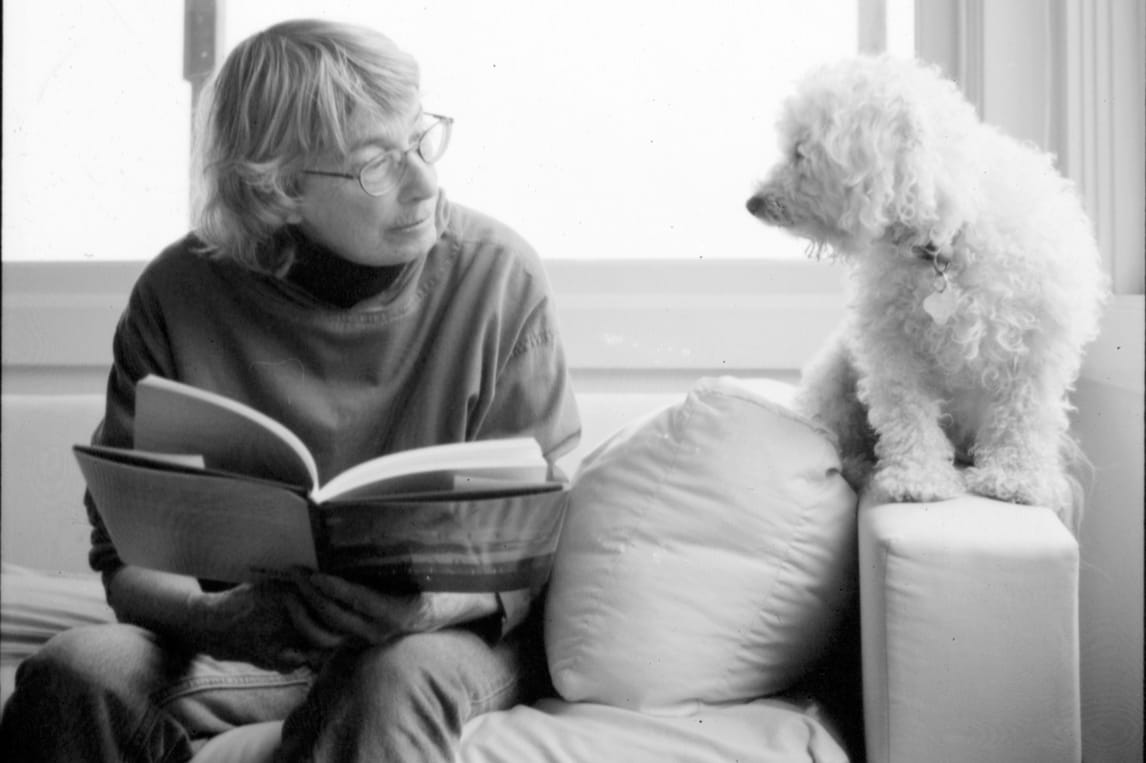
Mary Oliver
Mary Oliver (Born 1935 - Died 2019) was a Pulitzer Prize winning American poet congratulated for her unique and lyrical observations of nature. Her work often reflects themes of spirituality, mindfulness, and the beauty of the natural world in its pure form.
“Fall”
the black oaks fling
their bronze fruit
into all the pockets of the earth
pock pock
they knock against the thresholds
the roof the sidewalk
fill the eaves
the bottom line
of the old gold song
of the almost finished year
what is spring all that tender
green stuff
compared to this
falling of tiny oak trees
out of the oak trees
then the clouds
gathering thick along the west
then advancing
then closing over
breaking open
the silence
then the rain
dashing its silver seeds
against the house
Analysis
Mary Oliver uses visual representation to describe nature specifically in autumn which directly ties into Transcendentalist beliefs. In line 18-20 Oliver says “then advancing then closing over breaking open” I think this line can be interpreted as a form of civil disobedience going against injustice, facing backlash, then finally pushing through breaking free of injustice. These are all directly related to transcendentalism. I believe that if Thoreau or Emerson read this poem they would enjoy it and feel deeply connected to it, resonating with the author's message. Overall Mary Oliver’s poem has many different examples of transcendentalism relating to nature, civil disobedience, and self-reliance. Oliver explains how she feels in nature when saying “the silence / then the rain / dashing its silver seeds / against the house” (Oliver l. 21-25). This quote shows her presence in nature and Emerson would totally agree with this since he also says this in his excerpts from Nature: “The flowers, the animals, the mountains, reflected all the wisdom of his best hour, as much as they had delighted the simplicity of his childhood” (Emerson). Oliver is a modern pop culture poet that truly shows the values of Transcendentalism and philosophies that everyone can relate with in today’s world.